Matt, eggshell, satin or gloss: which paint finish goes where?
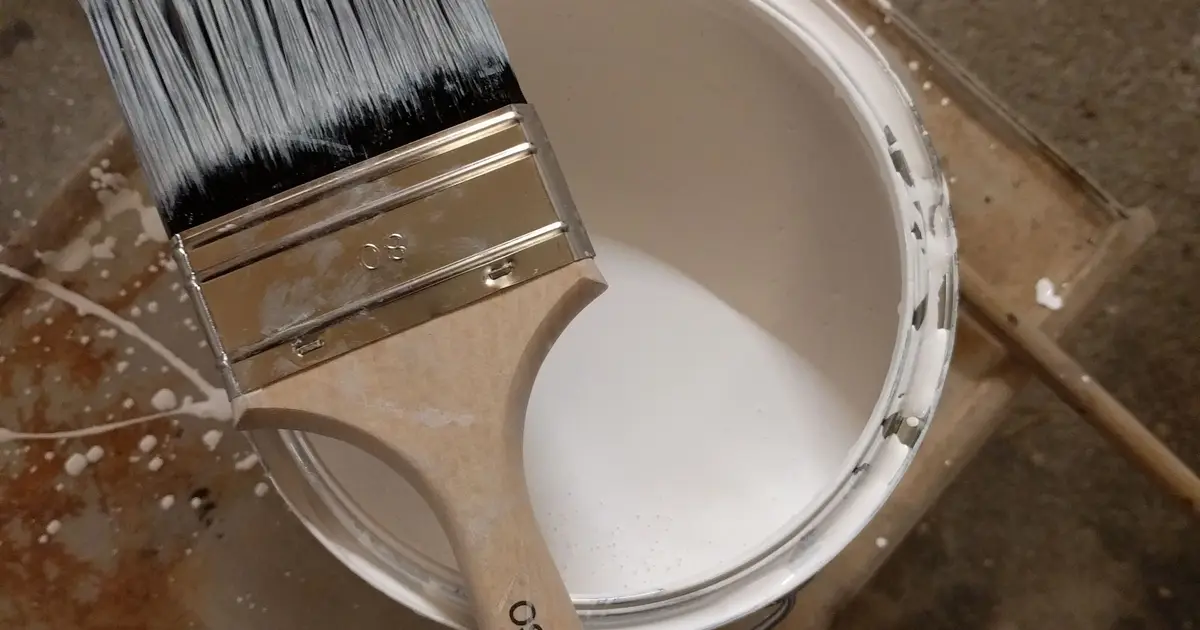
Use matt on ceilings and on walls that see little wear. Use a wipeable mid-sheen on walls in kitchens, bathrooms, hallways and children's rooms. Keep satin or gloss for woodwork and metal, where the paint film has to take knocks. That is the short version, and for most houses it will not steer you wrong.
The longer version matters because the word on the tin tells you less than you might expect. Here is the starting point, room by room, before we get to the reasons.
| Surface | Usual finish | What you are trading |
|---|---|---|
| Ceilings | Matt | Hides bumps and roller marks; rarely touched, so wear hardly matters |
| Living room and bedroom walls | Matt or a durable matt | Deep, soft colour; ordinary matt can mark and may need touching up |
| Hallways, stairs, children's rooms | Durable matt or eggshell | Survives wiping; a slight shine reveals more of the wall underneath |
| Kitchens and bathrooms | Eggshell, or a paint sold for that room | Copes better with steam and splashes |
| Doors, skirtings, window frames | Satin or gloss | Hard and cleanable; gloss shows every dent and brush mark |
| Radiators and metal | Satin or gloss, in a paint made for metal | Check the tin says it suits the surface and the heat |
What sheen actually does
A flat, closed paint film bounces light back in one direction, the way a window does. A rougher film scatters it. That is the whole difference between gloss and matt, and it explains nearly everything people notice about them.
Scattered light is forgiving. It softens the edge of a filled crack and hides the slight ridge where one plasterer's pass met another. Reflected light does the opposite: stand at the end of a corridor painted in anything shiny and you will see each bump as a small bright highlight. If the wall is old and wavy, a shinier paint will make that plain, and no amount of careful rolling will disguise it. Sheen also changes how a colour reads. The same strong yellow looks deeper and chalkier in matt, and lighter and sharper in satin, because some of what reaches your eye from the shiny version is reflected window rather than pigment.
Drawn by Ochre Line to show the principle. Real paints vary.
The one line the law draws
Most finish names are marketing, but UK regulation does draw a line for interior walls and ceilings. The 2012 regulations on volatile organic compounds in paints class a coating as matt when its gloss reading is 25 or below at a 60° measuring angle, and as glossy above that. So "matt" in that legal sense takes in more shine than you might picture. The regulation exists to set solvent limits rather than to help you choose a finish, and we cover what it means for the label in our guide to low-VOC paint.
Names on tins do not line up
Eggshell, soft sheen, silk, satin and satinwood are not fixed points on a scale. One maker's eggshell is a wall paint and another's is a wood paint, and two products with the same word on the front can look visibly different once dry. Vinyl, durable and washable describe toughness, and none of them tells you how shiny the wall will be.
The dependable way through is to read the back of the tin for three things: which surfaces it is made for, whether it is water-based or solvent-based, and what it says about cleaning. If you are comparing two products, paint a sample of each and look at them from the side, which brings us to the test below.
Water or oil, briefly
Finish and base are separate choices, though they get muddled. Designing Buildings' overview of paint sets out the broad difference. Oil-based paint is harder and suits timber, metal and exterior work, and it typically takes 8 to 24 hours to dry. Water-based paint dries faster but is often less durable and less glossy. It also advises matching the primer to the paint type, which is worth remembering when a job involves both.
Water-based wood paints are now common, and for indoor trim many people prefer them for their smell and quick recoating. Expect a slightly softer shine than a traditional oil gloss. Whites in oil-based paint have also long had a reputation for yellowing, especially away from daylight, so a behind-the-door test is worth doing if you are matching old woodwork.
Walls: how much shine can your plaster take?
Look at the wall with a torch held flat against it, in a dark room. If the beam throws long shadows, you have three honest options: fill and sand properly, choose a flatter paint, or accept the character of an old wall. Our guide to preparing a wall covers the first of those.
Ordinary matt has a drawback that catches people out. Designing Buildings notes that it marks easily and needs regular retouching. It is, however, usually the easiest finish to touch up, because a dab of new paint on a flat film tends to blend in where it would stand out on a shiny one. A hallway full of bicycles may do better with a tougher matt or eggshell. A bedroom that nobody brushes against can have the flattest paint you like.
Ceilings and small rooms
Ceilings sit in the raking light from every window, so they show flaws more than any wall. Matt is the usual answer for good reason. In a small room the same logic applies with more force, because you stand close to everything. A very shiny wall in a box room also picks up the reflection of the window and any lamp, which some people enjoy and others find restless. If you want to try it, try it on a large card first.
Woodwork: satin or gloss?
Traditional British woodwork was glossy, and in a period house with crisp mouldings a good gloss still looks right. Designing Buildings warns that gloss shows imperfections and can take several coats, and that is the honest cost of it: old door panels with a century of dents will show each one. Satin is the kinder choice on tired wood and tends to look more current. Eggshell on woodwork can look lovely, though a flatter film is usually less hard-wearing on a door edge that gets handled daily, so keep a little back for touching up.
A five-minute test before you buy a litre
- Paint two coats on a large piece of lining paper or card. A tester-pot square the size of a postcard will not show sheen.
- Tape it to the wall that faces the main window. Sheen shows most when the light comes from across the surface, so also look along the wall from one end.
- Look again after dark with the lamps on. Plenty of paints that seem flat at noon show their shine under a ceiling light.
- Wipe one corner with a damp cloth once it has fully dried, then check for a polished patch or a mark.
Choosing the colour itself is a separate question, and the light in the room usually decides it. If your room gets little sun, start with our note on north-facing rooms.