Does a light colour really make a small room look bigger?
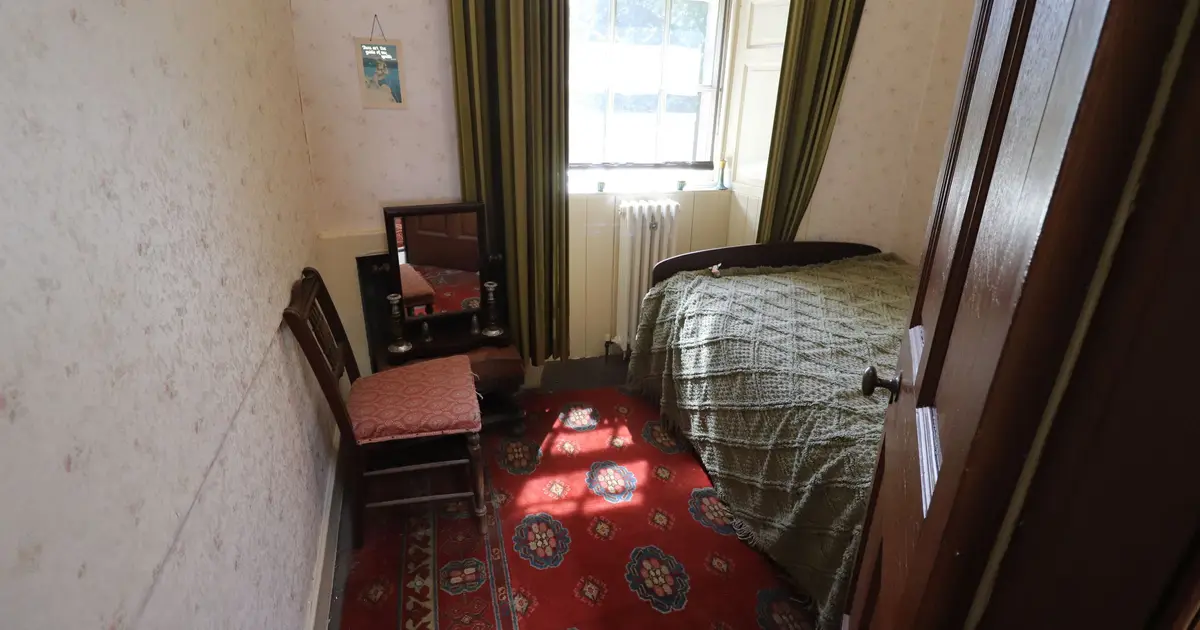
Partly, and not quite in the way most people think. The research we could find supports one thing clearly: lighter walls and lighter ceilings make a room seem taller. It does not show that a dark colour makes a small room feel worse to live in. So pale is a reasonable choice for a box room, but it is not a rule, and a deep colour will not shrink the walls.
Small-room advice is usually handed down rather than tested. Before you buy five litres of off-white, it is worth knowing what has actually been measured.
What the research found
One of the clearest studies in this area comes from a team including Daniel Oberfeld and Heiko Hecht of the University of Mainz. Their paper, "Surface lightness influences perceived room height", published in 2010, begins by saying how little scientific work there has been on colour, lightness and the sense of space. The team used virtual reality and asked observers to judge the height of rooms that varied in real height and in the lightness of their ceilings, walls and floors.
The results are short enough to set out in full:
- A lighter ceiling made a room look taller, as designers would predict.
- Lighter walls did as well, which the authors had not expected.
- The two effects added together roughly. That is hard to square with the popular idea that the contrast between ceiling and walls is what does the work.
- Floor lightness had no significant effect.
- The overall brightness of the room was not the critical factor.
If you take one practical thing from that, take this: painting a white ceiling over dark walls is not a magic lift. Lightening the ceiling helps, lightening the walls helps too, and a dark floor does not seem to bring the room down.
What the study leaves out
It measured apparent height, in virtual rooms, in an experiment, and height is one thing among many. It did not ask whether people liked the rooms, slept well in them or would rather have a pale box than a dark one. It also says nothing about what goes on in a real room, such as furniture, window size, or the way your eye reads a corner. Be wary of any article that turns that into "dark colours make rooms feel smaller". Some people find a small dark room oppressive and others find it restful, and no study we opened settles that for you.
A small room is usually also a poorly lit one, and the light may matter more than the size. Very pale colours can look stark when the light is low, as this designer's guide to reflectance values notes. If your box room faces away from the sun, read our note on north-facing rooms before anything else.
Four ways to paint the same small room
1. Light all over
Pale walls and pale ceiling, with the woodwork close to the wall colour. This is the scheme the Mainz findings favour if your aim is height. Choose something with a visible colour, even a slight one. In a very small room, a wall that is merely not-white can look like a mistake, and a definite pale colour looks like a decision.
2. One colour everywhere
Walls, ceiling, woodwork and even the radiator in the same colour, sometimes called colour drenching. You remove the lines that tell your eye where the room stops. In a tiny cloakroom or a study this can be the most striking thing in the house. It is a good home for a chip like this article's Night Bus, and a much kinder idea than a single dark wall, which only draws attention to how close that wall is.
3. Deep walls, lighter ceiling
The most common compromise. It will not provide the lift people expect, since the study suggests the contrast itself does not raise the ceiling, but a lighter ceiling does bounce light around, and it can be practical. Choose a ceiling colour that belongs to the walls, a much diluted version perhaps, because a stark white lid on a dark box is hard to love.
4. A painted band or low dado
Colour up to roughly the height of the door handle, with a paler shade above and on the ceiling. It is a sensible idea in a hallway or a child's bedroom, where the bottom half of the wall gets all the scuffs. It can be a neat way of keeping the upper room light while still getting colour in. Avoid a line that sits at exactly half height, as it tends to chop the room in two.
The details that decide it
Woodwork. White skirtings and door frames draw a hard outline around every wall, and a small room has plenty of doors and corners for its size. Painting them in the wall colour, or one step lighter, removes that clutter. Satin or eggshell woodwork beside matt walls is often enough of a difference.
Finish. You stand close to every surface in a small room, so flaws show up. A flatter paint hides more, while a shinier one reflects more of the window. Our finishes guide covers the trade-off, and in a cloakroom or small bathroom you may need something wipeable anyway.
Preparation. Raking light from a single window will find every patch in a narrow room, particularly on a side wall running away from the glass. Spend the extra hour on filling and sanding first. It costs less than another coat of anything.
Lighting. A lone ceiling pendant makes any colour look dull and throws the corners into shadow. Lamps near the walls can do more for a small room's sense of space than a change of paint, and they are worth trying before you commit.
How to decide without guessing
Paint two large sheets of lining paper, one in the safe pale colour and one in the colour you would pick if nobody were watching. Tape them up side by side on the wall facing the door. Live with them for a few days, then ask a simple question: when you walk in, which one makes you want to stay? A small room has one job at a time, whether that is sleep, coats or a desk. A cloakroom you visit for two minutes can carry a colour that would wear you out in a study.
And it is only paint. A small room takes one tin and a weekend, which makes it the cheapest place in the house to find out whether you like a colour.